ギリシャでのストライキはよくありますが、旅行が台無しになることはめったにありません。船員組合による時折の24時間ストライキはフェリーを停止させ、全国的なゼネストは航空管制官を巻き込み、フライトをキャンセルさせる可能性があります。これらは通常、事前に発表され、通常は1日だけ続き、裁判所がそれらを阻止することもあります。フェリーとフライトの接続の周りにバッファー日を設ければ、捕まる可能性は低いです。
ギリシャのストライキは、母国での見出しを読むと不穏に聞こえますが、サントリーニ島への旅行者にとっては、安全上の問題ではなく、計画上の問題です。このガイドでは、実際に島に影響を与えるストライキ、ご旅行の日程に重なるかどうかを確認する方法、そして万が一重なった場合の対処法を説明します。
一目でわかる、注目のストライキ
| ストライキの種類 | 誰が呼びかけるか | 何が止まるか | 通常の告知期間 | 何が運行し続けるか |
|---|---|---|---|---|
| フェリー/船員 | 全ギリシャ船員連盟(PNO) | すべてのフェリー、キクラデス諸島を含む | 数日前から | フライト、島の道路、乗り継ぎ |
| 航空管制 | 管制官組合、しばしばゼネストの一部として | ギリシャ発着のフライト | 数日前から | フェリー、道路、タクシー |
| ゼネスト | 全国組合(GSEE および ADEDY) | フェリー、市内バス、一部のフライト、公共オフィス | 数日前から | プライベートな乗り継ぎ(タクシーもストライキする可能性あり) |
| 地域的またはセクター別 | 地域組合または単一セクター組合 | 変動(バス、単一の港) | 短い | その他のほとんどの交通機関 |
ギリシャでストライキが多いのはなぜですか
ギリシャには強い労働組合の伝統があり、ストライキは危機の前兆というよりも、カレンダー上の日常的な出来事です。ほとんどのストライキは、賃金や労働者の権利をめぐって大規模な労働組合連合が呼びかける全国的な24時間ストで、平和的に行われます。旅行者にとって、ストライキが管理しやすい理由は2つあります。それは、ほぼ常に数日前に告知されること、そして通常は1日に限定されることです。また、ギリシャの裁判所が土壇場でストライキを違法と宣言する場合もあり、その場合は通常通りサービスが運行されるため、予定されていたストライキが確実になるのは当日になってからです。
フェリーのストライキ:島への旅行者を直撃するもの
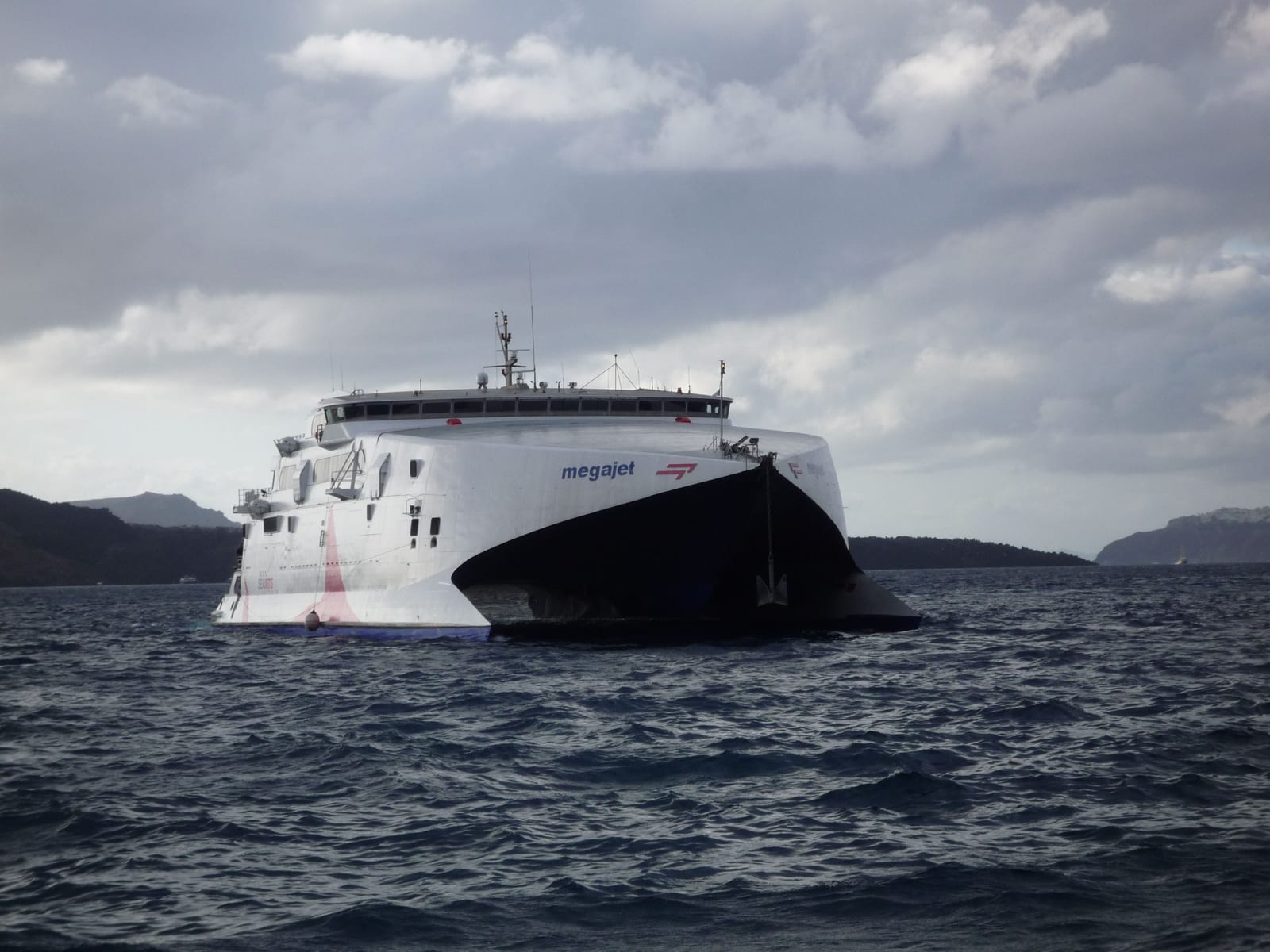
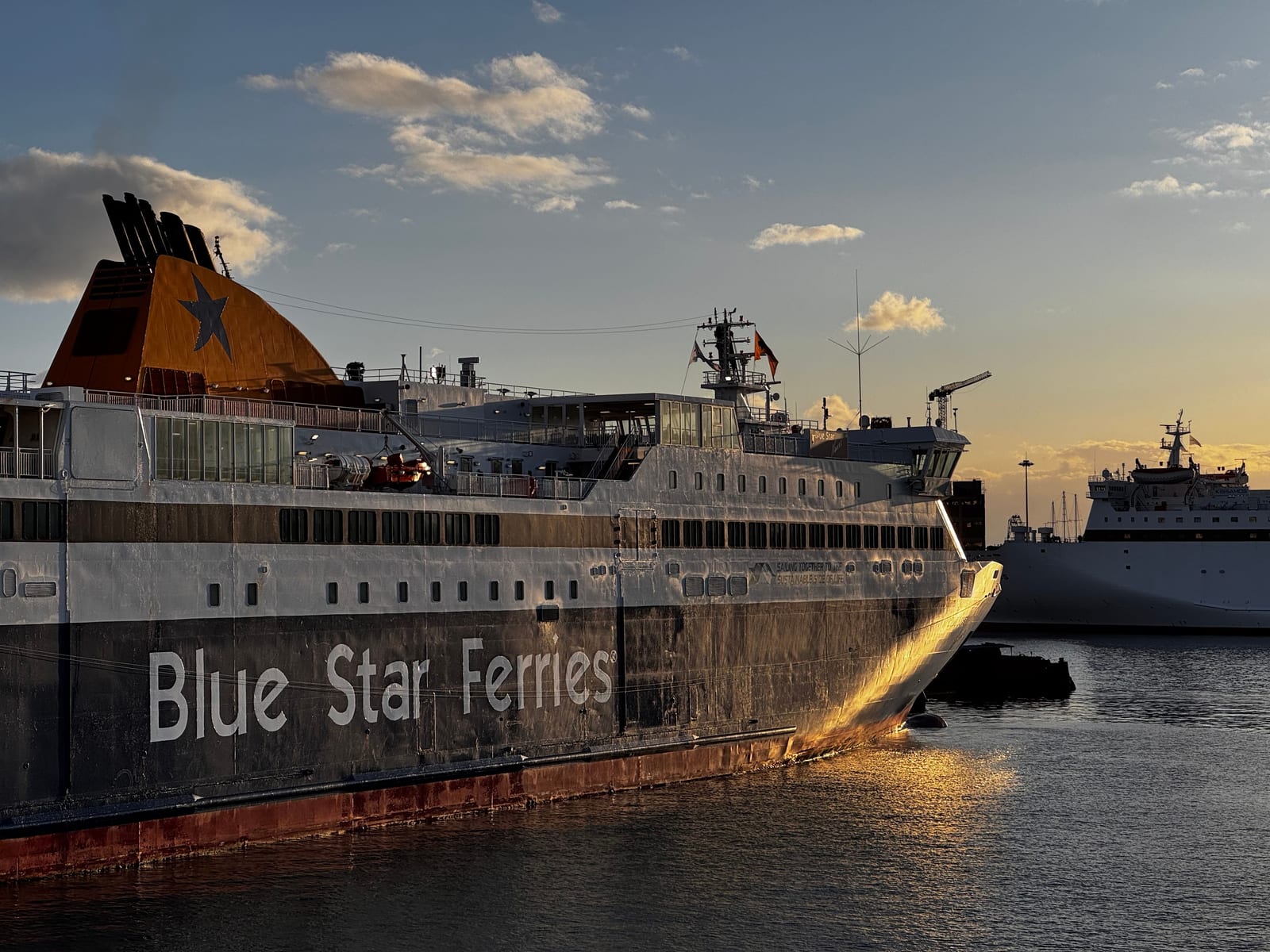
サントリーニ島への旅行に最も影響を与えそうな混乱は、フェリーのストライキです。船員連盟が24時間のストライキを呼びかけると、全国の港に船舶が繋がれたままとなり、賑やかなキクラデス諸島のルートは常にその対象となります。それは、その日、サントリーニ島の主要フェリー港であるアティニオスへの出入りがないことを意味し、島から島への移動を計画していたり、海路でサントリーニ島に到着または出発する予定だったりする場合、問題となります。例えば、2026年春のストライキでは、3月5日とメーデーの5月1日に全国でフェリーがドックされました。もしあなたの計画が船に依存しているなら、港と接続に関する詳細は、当社のサントリーニ空港からアティニオス港までおよびサントリーニ島への飛行機またはフェリーガイドに記載されています。
航空管制とストライキ
航空便の欠航はそれほど頻繁ではありませんが、航空管制官が全国的なストライキに参加すると、ギリシャ全土の空港での出発と到着がストライキ期間中に欠航または延期されます。最近の全国的なストライキにより、アテネ、テッサロニキ、そして各島への路線がその日一日、運航停止となりました。ストライキによりフライトが欠航した場合、航空会社が次の利用可能な便に振り替えますが、ストライキは航空会社の管理外であるため、遅延に対する通常の現金補償は適用されない場合があります。サントリーニ島にとって実際的なリスクは、日帰りでの損です。ストライキが出発日に当たった場合、その日のフライトは失われ、航空会社が別の便に振り替えるのを待つことになります。
ストライキがあなたの該当する日に発生するかどうかを確認する方法
推測する必要はありません。ギリシャの旅行ニュースサイトは、組合が発表するとすぐにストライキカレンダーを公開し、フェリー運航会社は独自のサイトやアプリで運行情報を提供します。旅行の1週間前に簡単に検索するか、ホテルにメッセージを送れば、何か予定されていることがあるかどうかを知ることができます。英語のGreek Travel Pagesニュースフィードは、発表されたストライキを確認するのに信頼できる場所です。裁判所の判決により予定されていたストライキが中止され、すべてのサービスが元に戻る可能性があるため、前日にもう一度確認してください。
旅行の日にストライキが発生した場合の対処法
フェリーのストライキが発生した場合、通常チケットはストライキによる欠航で再予約または払い戻しされるため、オペレーターに連絡して前日または翌日に変更してもらいましょう。フライトが欠航になった場合は、航空会社に直接連絡し、新しいチケットを購入するのではなく、次の便に乗りましょう。最も良い対策は、自宅を出る前に講じることです。フェリーとフライトを同日に予約せず、国際線で帰国する前にサントリーニ島で予備日を設けましょう。そのバッファーがあれば、ストライキは休暇を逃すことから、ちょっとした予定変更で済みます。
空港へのアクセスは、ほとんどのストライキ中でも利用可能です
朗報は、陸上輸送は引き続き稼働しているということです。フェリーストライキや航空管制官のストライキは船や飛行機を停止させますが、島内の車は止めません。そのため、タクシー、自家用レンタカー、または事前予約した送迎でサントリーニ空港にアクセスできます。時折、広範なゼネストがあった場合にのみ、公共のKTELバスが減便され、限られた空港タクシーを見つけるのが困難になることがあります。ストライキの影響を受ける日や、時間がない朝には、事前予約したプライベート送迎が最も確実な選択肢です。なぜなら、組合が何をしていても車は事前に予約されているからです。GetTransferで手配できます。遅い時間に旅行する場合、夜間到着ガイドでは、暗くなってからの選択肢もカバーしています。