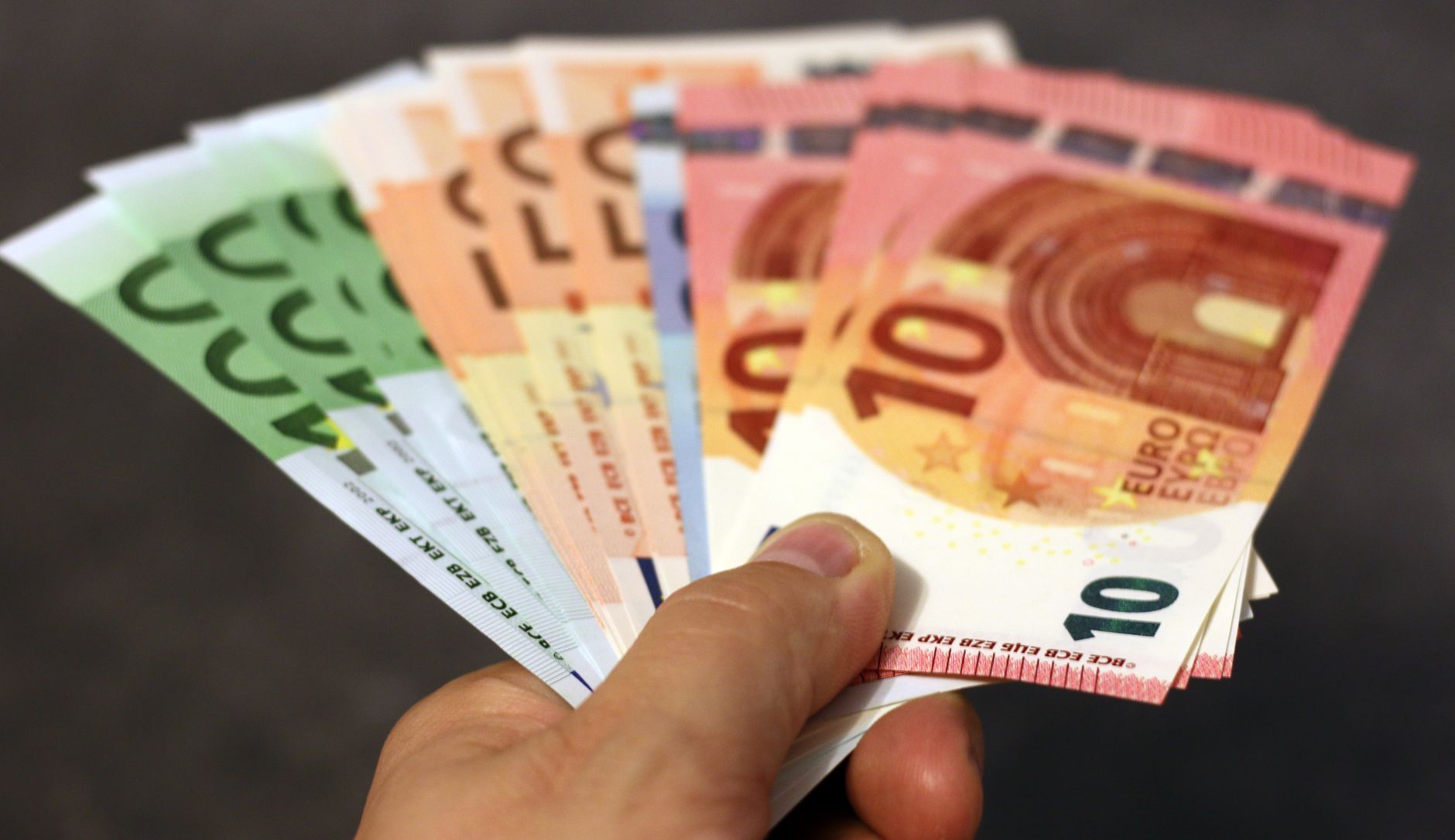
Santorini Airport (JTR) has cash machines on both sides of security: a Eurobank ATM and a Cashflex ATM in the external area, and Euronet machines in the arrivals area and the airside departure lounge, all available around the clock. A staffed ONExchange currency desk operates 07:00 to 24:00 daily through the season. The short version for 2026: withdraw euros from a bank-owned ATM, refuse any screen that offers to charge you in your home currency, and keep some small notes on you, because the bus conductor and many taxi drivers still live in a cash world.
Which ATMs are at Santorini Airport?
Three operators run machines at JTR, and the difference between them is the fee you pay:
| ATM | Location | Hours | Fee profile |
|---|---|---|---|
| Eurobank | External area (landside) | 24/7 | Bank-owned, typically €2–3 for foreign cards |
| Cashflex | External area (landside) | 24/7 | Independent operator; check the on-screen fee before you confirm |
| Euronet | Arrivals area and airside lounge | 24/7 | Convenience network, €1.95–4.99 plus a poor exchange-rate offer |
The operator fee appears on screen before you confirm, so you can cancel without cost. The fee is flat per transaction, not a percentage, which changes the maths: one withdrawal of €200 costs the same fee as one of €50. Take out what you need for several days in a single go rather than visiting the machine four times.
Two practical limits apply. Greek machines commonly cap a single withdrawal somewhere in the €300 to €600 range, and your own bank sets a daily limit of its own, so a large withdrawal for a villa deposit may need to be split over two days. Check your card's daily ceiling before travel if you expect to need serious cash; for a normal holiday the caps never come into play.
The airport's own services page lists the current exchange and banking facilities if anything changes mid-season.
What is the DCC trap and how do you avoid it?
Dynamic currency conversion, or DCC, is the moment the ATM offers to charge your card in pounds, dollars or another home currency instead of euros. It feels reassuring because you see a familiar number. It is the single most expensive button at the airport: the built-in markup can reach 13% above the real exchange rate. On a €200 withdrawal that is up to €26 lost, several times what the entire bus ride into Fira costs.
The fix takes one press: always choose to be charged in euros, sometimes labelled "without conversion" or "decline conversion". Your own bank then converts at the card network rate, which is far closer to the market rate. Euronet screens in particular present the home-currency option twice, worded slightly differently each time; decline it both times. The same rule applies at card terminals in shops and restaurants across the island, and it matters most at hotel checkout, where the bill is largest: if the receipt shows your home currency instead of euros, ask the desk to void it and run the card again in euros.
The ONExchange desk: when it makes sense
ONExchange runs the staffed currency counter at JTR, open 07:00 to 24:00 every day from May to October. Like every airport exchange desk, it prices convenience into the rate, so the euros you get for your dollars or pounds cost more than the ATM route two metres away.
It earns its place in two situations: your card is lost, blocked or not working, or you arrive carrying cash in another currency that you need converted on the spot. One genuinely useful feature: ONExchange buys back leftover euros commission-free at the same rate you originally paid, provided you keep the receipt, which softens the cost if you overshoot on your last day and exchange money before your departure from JTR.
Do you still need cash on Santorini?
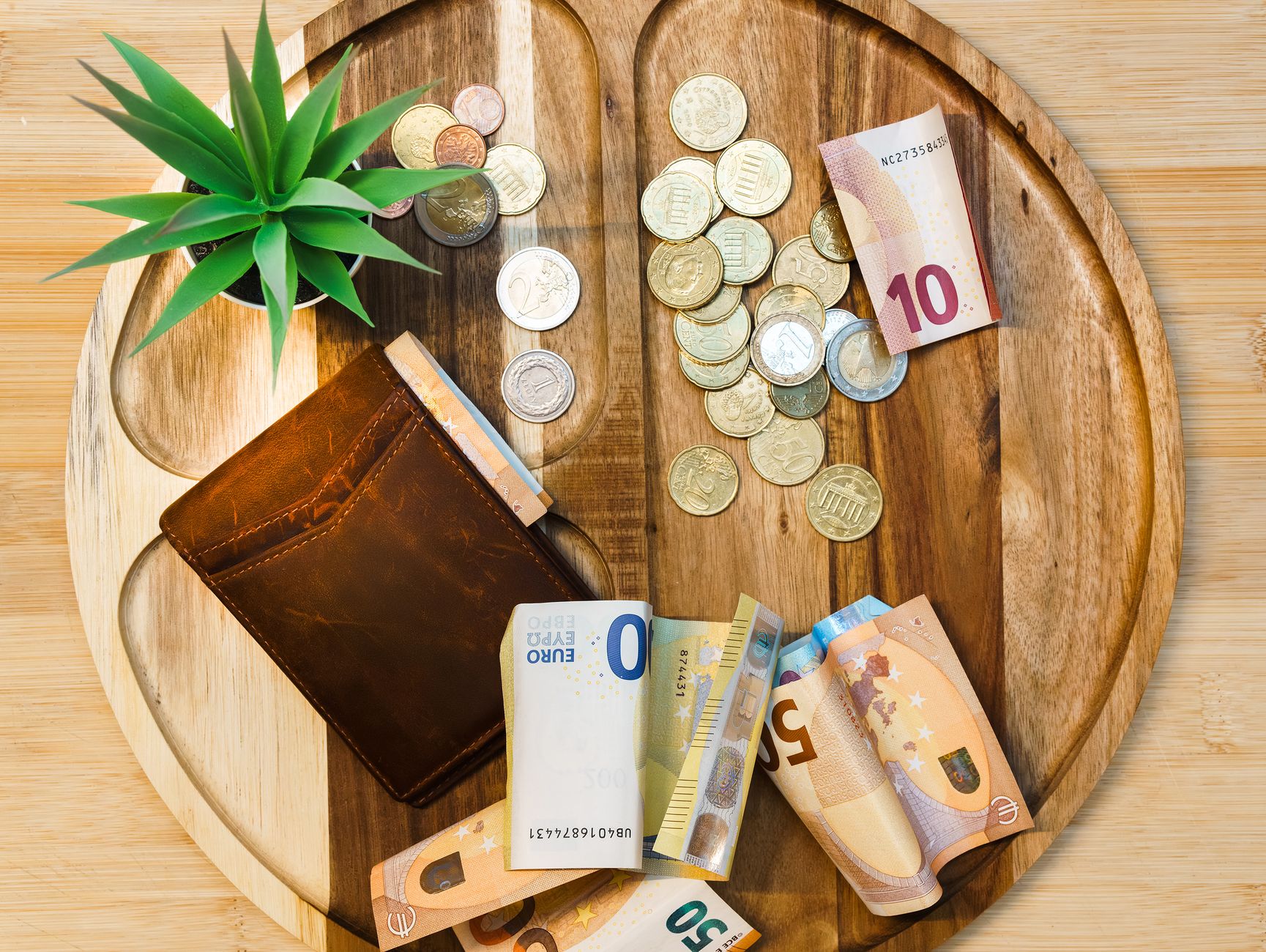
Less every year, but yes. Cards are standard in hotels, restaurants, supermarkets and rental offices, yet a stubborn cash layer remains in exactly the places an arriving traveller meets first.
- The KTEL bus: a conductor collects fares of €2.20 to €2.80 on board. Buses are strictly cash only and conductors do not accept cards, so treat the airport bus as a cash ride. The official KTEL Santorini site publishes current fares and timetables.
- Taxis: drivers are required to accept cards, and in practice many still prefer cash, especially on short hops. Fares and the night surcharge are covered in our airport taxi guide.
- Small purchases: beach sunbeds, bakeries, kiosks in the smaller villages and tips.
Many couples find that €100 to €150 in cash covers a week once the airport transfer is prepaid, topping up in town only if a boat trip or beach day runs long on sunbed rentals. As a rough breakdown: four single bus tickets come to €8.80–€11.20, a sunbed pair on the black-sand beaches often runs €10–25 a day in high season, and the rest disappears into bakery breakfasts, water and tips.
Should you bring euros from home instead? A small float of €50-100 carried in from your home bank sidesteps the airport machines entirely on day one, and home banks often exchange at better rates than any airport option. Bringing your whole holiday budget in cash, on the other hand, buys nothing except risk; the island has ATMs in every town and cards work almost everywhere.
Card payments across the island
Contactless is everywhere in the tourist economy, and Greek terminals accept the major networks without drama. Visa and Mastercard clear at effectively every till; American Express acceptance is thinner, common in larger hotels and weaker in family-run tavernas, so Amex holders should carry a Visa or Mastercard as the working card. Two habits keep it smooth: carry a second card stored separately from the first, since a swallowed or blocked card on an island means a slow replacement, and answer every terminal's currency question with euros, the same DCC logic as at the ATM.
If you reach the gates on departure day and realise you still need cash, the Euronet machine in the airside lounge is the only option past security. Accept its fee as the price of poor planning, or simply pay by card at the airport café, which takes contactless like everywhere else.
A smart money plan for arrival day
Walk past the exchange desk, make one withdrawal at the Eurobank machine in the external area, and decline the home-currency offer. Break a €50 note at the terminal shop or café early, because a conductor handling a €2.20 fare will not thank you for large notes on a crowded evening bus. Coins earn their pocket space here: a bottle of water at a village kiosk costs €0.50 to €1 and a bakery pie €2.50 to €3.50, and both queues move faster when you pay in change.
Better still, remove the cash pressure from the first hour entirely: book a fixed-price transfer through GetTransfer.com before you fly, pay online, and the ride to your hotel needs no cash at all. Once you are settled, bank branches with ATMs cluster in the centre of Fira, so restocking euros mid-week never requires a trip back to the airport.