You can fly into and out of Santorini Airport with a dog or cat, and small pets travel in the cabin on the airlines that serve the island. On both Aegean and Sky Express the pet plus its carrier must weigh no more than 8 kg to sit in the cabin; heavier animals go in the hold. Every pet needs a microchip, a valid rabies vaccination, and the right EU paperwork, and you must book the pet onto the flight in advance because each aircraft takes only a few. The terminal itself is small, with no signposted pet-relief area, so plan the ground side of the trip as carefully as the flight.
Can you take a dog or cat in the cabin?
Yes, if it is small enough. The two carriers that fly most Santorini routes both set the same cabin ceiling: the animal together with its bag or box must not exceed 8 kg. Above that, a pet travels in the hold rather than at your feet.
Carrier size is where Santorini catches people out. On Aegean the standard cabin carrier can be up to 55 x 40 x 23 cm, but on the smaller ATR and Dash-8 turboprops that operate many island flights the limit drops to about 40 x 25 x 25 cm. A bag that fits a big Airbus may be refused at the gate on a propeller flight, so check your aircraft type when you book, not at the airport. Sky Express applies the same 8 kg cabin rule and asks you to book the pet at least 24 hours before departure.
A few more fixed rules apply. Only one pet per passenger travels in the cabin, it must stay inside the closed carrier for the whole flight, and it cannot travel in the cabin if you are also holding an infant. Aegean charges roughly €35 on a domestic sector and €65 on an international one; confirm the current fee with the airline, as pet charges change. Recognised guide and assistance dogs are a separate category and travel with their handler in the cabin at no charge.
What documents does your pet need for Greece?
Greece follows standard EU pet rules, and the order of steps matters. Your dog, cat, or ferret must first have an ISO-standard microchip, and only after that a rabies vaccination, because a jab given before the chip does not count. According to the EU guide to travelling with pets, the animal must be at least 12 weeks old for its first rabies shot, and you then wait 21 days before the pet can travel.
The travel document depends on where you live. Residents of an EU country carry an EU pet passport issued by a vet. Arriving from outside the EU, you instead need an EU animal health certificate and, in some cases, a rabies antibody blood test done well in advance. Because the blood-test timing can add months, sort documents early rather than in the weeks before a summer holiday. Carry the paperwork and the pet's health book in your hand luggage, since staff can ask to see them at check-in.
Pets in the hold, and summer heat limits
If your pet is over the 8 kg cabin limit, it can usually travel in the hold in an approved crate, up to about 25 kg on Sky Express and up to 50 kg on Aegean, in each case including the crate; confirm the exact limit when you book. The hold used for animals is pressurised and temperature-controlled, but Santorini adds a seasonal problem: heat. In the peak of summer, ground and apron temperatures can climb high enough that airlines suspend live-animal carriage in the hold for safety. Flat-faced dog breeds such as bulldogs, boxers, and pugs are refused in the hold outright by airlines including Aegean, and snub-nosed cats face tighter temperature limits, because these animals overheat easily.
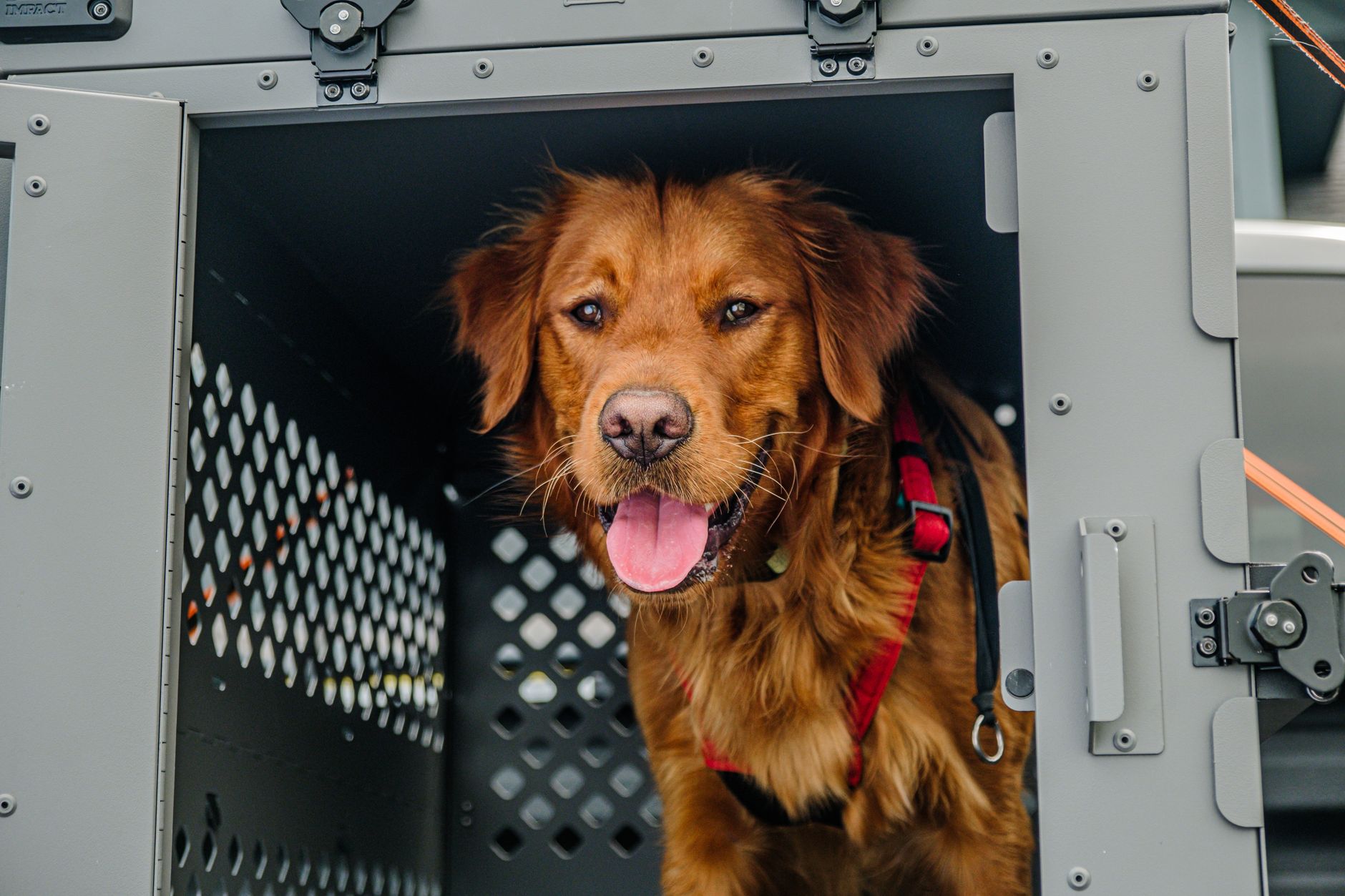
The crate matters as much as the booking. Hold travel needs a rigid, ventilated, IATA-standard container large enough for the pet to stand, turn around, and lie down, with a leak-proof floor and secure door. Let the animal get used to the crate for a week or two at home so the flight is not its first time inside. In practice, if your animal is small, aim for the cabin. If it is large, book early, ask the airline directly about summer heat embargoes on your dates, and have a backup plan in case a hold booking is refused close to travel. Because of those embargoes, a large dog is not guaranteed a hold place on a July flight, so confirm with the airline before you rely on it.
What is Santorini Airport like for pets?
Santorini (Thira) is a compact single-terminal airport that runs at high volume in summer, which shapes the pet experience. There is no signposted pet-relief area, so walk and toilet your dog outside before you go through the doors, as there is no grass or animal zone once you are inside. Bring a collapsible bowl and water, especially on hot afternoons when the hall gets warm and busy. The Santorini Airport terminal guide explains the layout and where to wait.
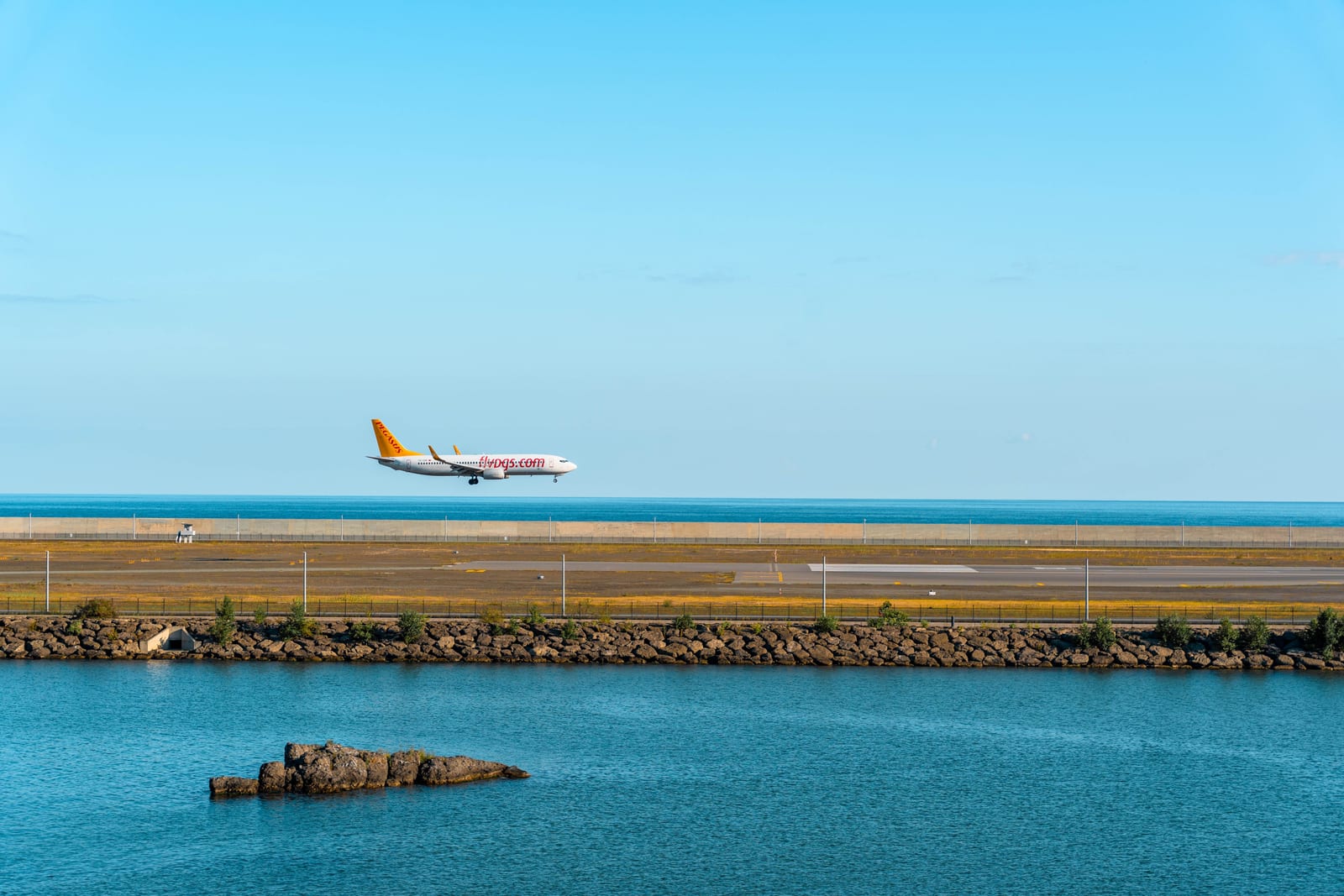
Boarding is another Santorini quirk. Many flights board across the apron by bus or on foot up the aircraft steps rather than through a jet bridge, so you and the carrier may spend a few minutes outside in full sun or wind. Keep the pet calm, keep the carrier shaded, and do not feed a heavy meal right before the flight. A calm, recently walked animal usually travels better than one that has been cooped up all morning.
Getting your pet from the airport to your hotel
Onward transport is easy to overlook, so sort it before you land. Local taxis are not obliged to take an animal, and a driver may decline or insist the pet rides in a carrier, which is hard to guarantee in a summer taxi queue. The KTEL public buses typically restrict animals or require a carrier, so the bus is rarely a reliable option with a dog. For details on the rank and fares, see the Santorini Airport taxi guide.
The dependable route is a pre-booked private transfer where you flag the pet at the time of booking, so the vehicle and driver expect it. A confirmed pet-friendly ride through GetTransfer means you are not standing outside arrivals with a crate and no way to reach the hotel, and it keeps the animal out of a crowded shared bus. Renting a car is the other clean option if you are comfortable driving the island's narrow roads with a pet secured in the back.
How early to arrive with a pet
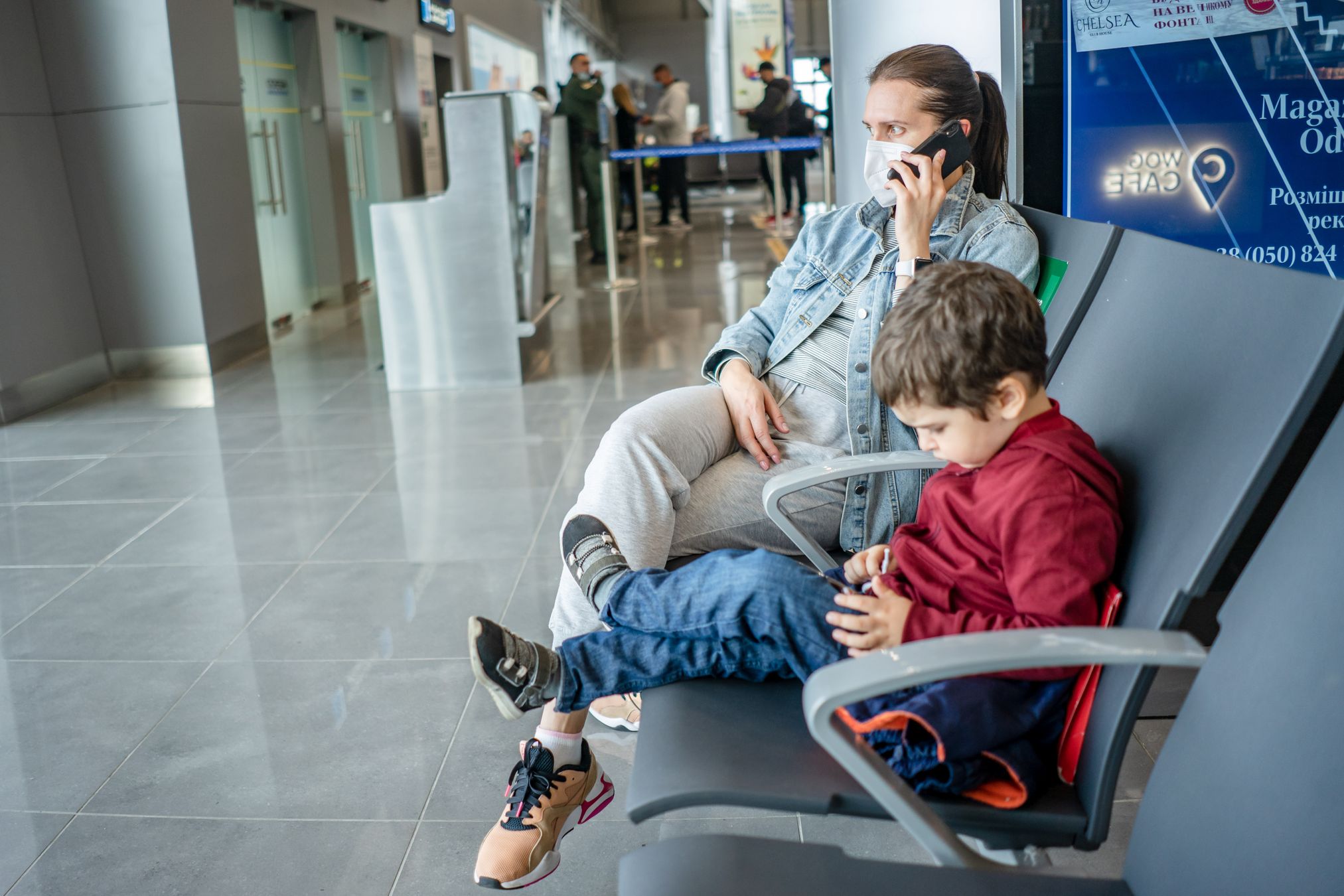
Give yourself more time than a normal trip. Travelling with an animal usually means checking in at the desk rather than using online-only bag drop, staff may verify the microchip and vaccination record, and paying any pet fee can take a few extra minutes at a busy counter. As of 2026 the airport is still working through peak-season crowds, so the safe move is to treat a pet like an extra passenger who cannot queue quickly. The guide on how early to arrive at Santorini Airport sets out sensible buffers; with a pet, lean toward the longer end. Families combining a pet with young children will also find the practical timing tips in the Santorini Airport with kids guide useful.